


A smooth login routine matters when one account connects casino and sportsbook activity across desktop and mobile. The practical aim is not simply remembering a password, but knowing where to sign in, how to recover access, and which account notices deserve attention. The casino betya information available to Canadian readers indicates that the same credentials are used for both areas, while the browser-based mobile experience follows the same account structure. A few simple habits can make navigation clearer and reduce avoidable access problems.
Where should you look for the login option?
Login is accessed through the site navigation rather than through a separate casino application. On a desktop browser, begin with the main page header and look for the account or login control. On a phone or tablet, the navigation may be condensed behind a menu icon, so expand the menu before assuming that the sign-in option is missing. This is particularly useful when switching between the casino lobby and sportsbook, because both use the same account credentials.
Before entering any details, check that you are on the intended website address and that the browser shows a secure connection. Avoid signing in through links received unexpectedly by email, social media or private messages. A familiar-looking page is not enough proof of authenticity. Typing the known address manually, or using a bookmark created from a verified visit, can reduce the chance of entering credentials into a copied page.
Once signed in, take a moment to identify the main account areas. The available account structure includes access to transaction information, bonus balances, identity-check status, reward progress and responsible-gambling settings. Knowing where these controls sit makes future visits more efficient. It also helps distinguish ordinary navigation problems from an actual account restriction, review or security issue.
What is the safest way to sign in on a phone?
The mobile service is described as a responsive browser-based experience for current iOS and Android phones and tablets. That means players should not assume that an installed native app exists simply because the site works well on a mobile screen. Use a current browser, keep the operating system updated and avoid signing in on a public or shared device whenever possible.
Private browsing can prevent local history and form data from being retained, but it does not make an unsafe network trustworthy. A home connection or mobile data connection is generally preferable to an open public Wi-Fi network. If public Wi-Fi is unavoidable, avoid saving login details and sign out fully when finished. Do not allow a shared device to remember the password or autofill account information.
Small screens can also make it easier to overlook warnings, account messages or menu items. Rotate the phone if a page is difficult to read, close unrelated browser tabs and check the address bar before submitting credentials. If a login page repeatedly reloads, try closing and reopening the browser rather than submitting the same details many times. Repeated attempts can create confusion and may contribute to a temporary lock if the password is incorrect.
How should you recover a forgotten password?
A forgotten password can be reset through the recovery option on the login screen. The process uses the registered email address, so access to that inbox is an important part of account recovery. Enter the address carefully and check spelling before requesting a reset. If the message does not appear, inspect the junk or spam folder and allow a short period for delivery.
Use a new password that is unique to the account and difficult for another person to guess. A long passphrase made from unrelated words can be easier to remember than a short, complicated sequence. Avoid names, birthdays, team names and passwords already used for email, banking or social media. A reputable password manager can generate and store a different password for each service without requiring you to memorize every one.
If the recovery email does not arrive, the registered email has changed, or the account remains inaccessible, contact the listed support channels rather than creating a second account. Support is identified as available through live chat and support@betya.com. Do not send a full password, card PIN or complete payment credentials in a support message. For broader advice on protecting online accounts, consult Canada’s official cyber security guidance.
Which account messages require extra care?
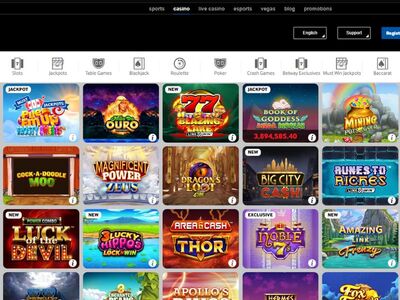
Not every failed login means that a password is wrong. Account states may include active, under review, locked, restricted, suspended, dormant, closed or self-excluded. Missing identity documents can lead to a temporary lock, while a review may be connected with account activity or a transaction. Read the message shown on screen and avoid repeatedly guessing credentials when the notice points to a different issue.
Identity checks may be requested before a first withdrawal or when a transaction size or account review triggers further checks. The stated document examples include government-issued photo identification, recent proof of address and proof that a payment method belongs to the account holder. If a card image is requested, the available guidance says that only the first six and last four digits should remain visible. Submit documents only through the identified account or support process.
Account security also includes noticing unexpected changes. Treat an unfamiliar password-reset email, altered contact detail, unknown transaction or new device notification as a reason to stop and investigate. Change the password from a trusted device, review account activity and contact support through a known channel. Never give another person access to the account, even if they claim to be helping with a login or payment problem.
When is it better to pause instead of logging in?
Login access is not only a technical matter. The account tools include deposit limits, cooling-off periods, temporary time-outs, self-exclusion, account closure and other responsible-gambling settings. If gambling is becoming difficult to control, using one of these controls may be more appropriate than troubleshooting access so that play can continue. A pause can create useful distance from an impulsive decision.
Self-exclusion is described as blocking play for the selected period, with reopening not being immediate. That limitation is important: do not choose a temporary restriction expecting to reverse it within minutes. Consider the duration carefully and review the settings before confirming. If you are already worried about spending or time, avoid logging in just to check balances, promotions or rewards.
Support can be contacted for account-control questions, and responsible-gambling cases are described as receiving priority. Keep communication factual and ask for confirmation of any limit, time-out or closure request. Login problems should never be used as a reason to seek another gambling account elsewhere. A deliberate pause, a clear record of the request and help from an appropriate support service are safer next steps.
Frequently asked questions about account access
Can one login open both casino and sportsbook areas?
Yes, the available account information describes one real-money account with shared credentials for casino and sportsbook access. You should still confirm that you are using the correct navigation area after signing in. If one section is unavailable, check the account message rather than assuming that the password or browser has failed.
What should you do if the password reset email never arrives?
Check that you entered the registered email address correctly, then inspect spam and junk folders. Avoid requesting many resets in quick succession. If the message remains unavailable, use live chat or the listed support email. Do not open another account to bypass the problem, particularly if identity checks may be required.
Does mobile access require a dedicated app?
The supplied information identifies a responsive browser-based service for current phones and tablets, not a confirmed native iOS or Android application. Use the mobile website through an updated browser and verify the address before signing in. Avoid downloading unofficial applications or browser files claiming to provide special account access.